How to plan a short nature walk that fits between errands
· Editorial team newsfromportland7.com
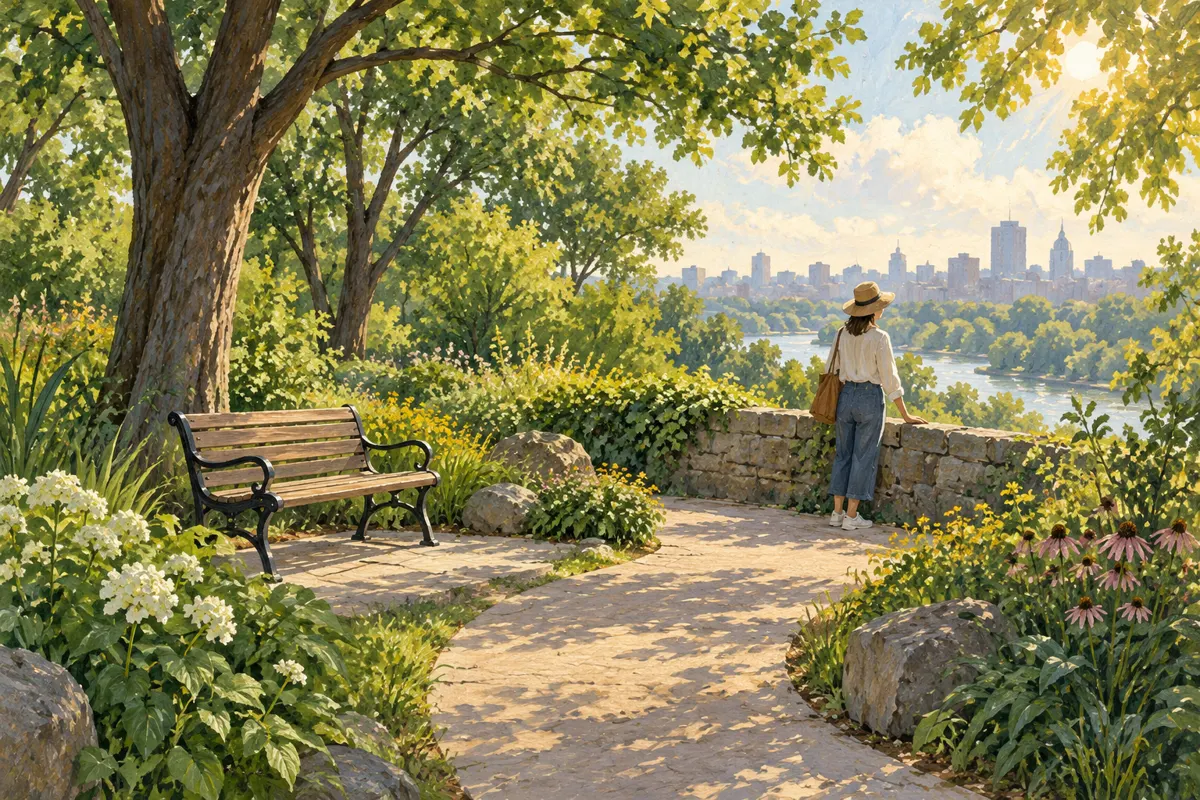
Choose a familiar park loop close to home or your next errand, work backward from when you need to leave, and set a firm return time. Keep the route short enough to include a pause. The editorial plan below gives you a practical way to fit a nature walk into a small gap in your day.
Choose a route you can easily shorten
Start with a park or green space you already know. Look for a clear path, an entrance you can reach without a detour, and a route whose return you understand. A familiar loop works well when you know how long it usually takes. If you have never walked it, save the full circuit for a day with more flexibility.
For a tight schedule, an out-and-back path gives you a straightforward way to shorten the walk: turn around sooner. Choose terrain and surfaces that suit your mobility, footwear, and preferred pace. A route described as easy may still take longer than your available gap, so judge it by your own needs.
- Use an entrance close to your existing errand route.
- Choose a clear return path with few junctions.
- Identify a shorter option before starting.
Budget the whole gap, including travel
Count from the end of one commitment to the start of the next. Getting to the park, parking or locking a bike, and traveling onward all use part of that gap. Leave a buffer for crossings, finding your belongings, or a slower return. The time left after those allowances is your walking window.
As an editorial planning example, a 30-minute gap could allow five minutes to reach the entrance, 15 minutes outside, and ten minutes for onward travel and a buffer. Adjust those numbers to your actual journey. If the calculation leaves only a few minutes, use a closer green space or take a brief stroll beside nearby trees.
Set your turnaround before you start
Decide when you must be back at the entrance, then set a turnaround reminder if you are walking out and back. Allow for observation stops within the walking window. Do not assume you can recover lost time by hurrying: the return may include an uphill section, a crossing, or a pause you did not anticipate.
- Write down the time you need to leave the park.
- Reserve part of the walking window for one brief stop.
- For an out-and-back route, divide the remaining time between going out and returning; allow more for the return if needed.
- Set a reminder and turn back when it sounds, even if a tempting viewpoint is ahead.
On a familiar loop, use a known landmark as a checkpoint. If you reach it later than planned, take your preselected shorter route.
Give yourself three things to notice
A small observation checklist gives a repeat walk a purpose without requiring a new destination. This editorial proposal uses three prompts. Answer them from the path, and leave anything you cannot identify unnamed. You can enjoy noticing a bird’s movement or a leaf’s shape without knowing the species.
- Look: Find one color, shape, or texture that catches your attention.
- Listen: Pause somewhere clear of passing walkers and notice one sound.
- Compare: Check one familiar tree, planting bed, or patch of ground for a change since your last visit.
Keep the checklist optional. If nothing seems different, notice what has stayed the same. Afterward, a single sentence in a notebook or phone note is enough to give you something to compare next time.
Prepare simply and adjust the next walk
Before leaving, check the weather and any available access or trail-condition information. Choose suitable footwear and clothing; bring water or sun protection as conditions require. Keep your keys and other essentials easy to find so the transition back to errands is simple.
After the walk, note whether the timing felt comfortable. If you rushed, shorten the route or increase the buffer next time. If you had spare time, use it for a longer observation stop before extending the route. Keep one dependable walk as your default, with a shorter version ready for days when errands run late.